Elderly Care Services: Elevating Quality of Life for Seniors in Their Later Years
Senior care services are essential for improving the quality of life for older adults in their golden years. These offerings span from at-home care to assisted living facilities. They focus on meeting specific needs while encouraging independence and dignity. Companionship and specialized medical care also play vital roles in improving emotional well-being. Comprehending the various types of care available can help families make knowledgeable decisions. What factors should families evaluate when choosing the right option?
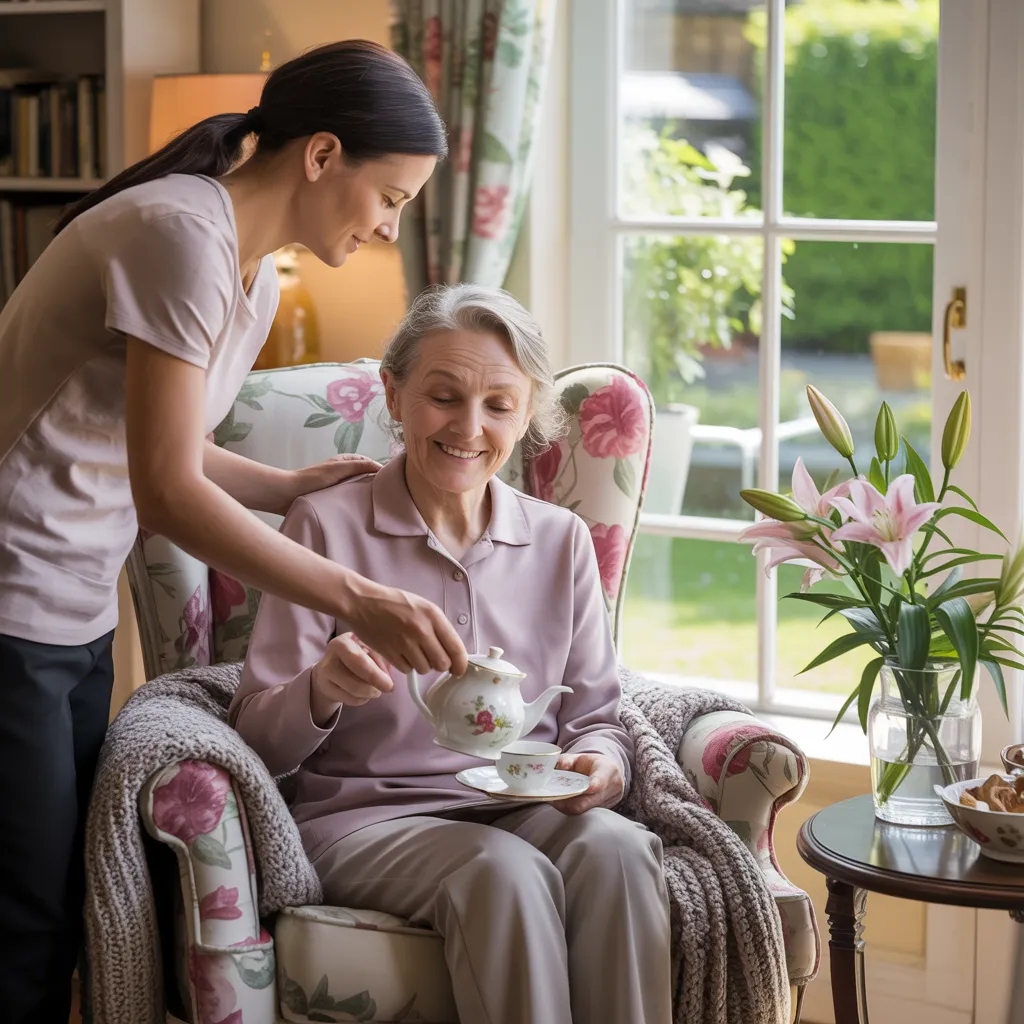
What Types of Senior Care Services Are Available?
Elderly care solutions include a wide array of choices designed to address the different requirements of older adults. These services can be broadly categorized into several types, such as residential care, assisted living, skilled nursing facilities, and senior day programs. Residential care delivers tailored help with routine activities such as bathing, cooking, and pharmaceutical oversight, enabling seniors to maintain their independence in familiar surroundings. Assisted living facilities offer a more shared residential setting that combines individual assistance with community interaction, fostering an environment supportive of engaged living. Nursing homes, or professional care institutions, accommodate those requiring continuous medical care and recovery support. Senior day programs deliver respite for family members while providing seniors social interaction and supervised activities during the day. Every category of care aims to improve the quality of life for seniors, guaranteeing their specific preferences and wishes are met efficiently and compassionately.
How Quality Senior Care Maintains Independence and Dignity
As they navigate through the challenges of aging, many seniors learn that quality senior care services play a crucial role in promoting both independence and dignity. These services are developed to empower seniors, helping them to maintain control over their daily lives. Custom care plans deliver tailored assistance that respects individual preferences, fostering a sense of autonomy.
Senior care professionals provide support in various daily activities, such as bathing, dressing, and meal preparation, while encouraging seniors to participate as much as possible. This method not only improves their abilities but also increases their self-assurance.
Furthermore, senior care communities are designed to foster mobility and safety, ensuring that seniors can enjoy activities they love without fear of injury. By combining assistance with encouragement, senior care services assist in copyright dignity, permitting seniors to age gracefully while living life on their terms.
The Importance of Companionship in Senior Care
Companionship serves a vital function in professional advice the overall well-being of senior citizens, as social interactions can greatly enhance their quality of life. Many seniors face isolation due to physical limitations or the loss of friends and family, which can lead to feelings of isolation and sadness. Engaging in regular companionship activities, such as conversations, shared meals, or recreational outings, cultivates a sense of community and fulfillment.
In addition, companionship can stimulate cognitive function, prompting seniors to continue to be mentally active and engaged. Through meaningful interactions, caregivers can help recognize and address emotional needs, consequently promoting mental health. In addition, companionship provides emotional support during trying times, offering comfort and reassurance.
Expert Medical Care in Elderly Care: Addressing Specific Health Demands
As people grow older, their health care needs become increasingly specialized, necessitating tailored medical attention to address various chronic conditions and age-related difficulties. Expert medical attention in senior care focuses on managing complicated health problems such as diabetes, heart disease, and dementia, which often require a multidisciplinary approach. Geriatricians, nurses, and other health professionals collaborate to establish individualized care plans that take into account the unique medical histories and preferences of each senior.
Furthermore, consistent assessments and preventive actions are vital in reducing potential health risks. Availability of specialized therapies, including physical therapy, occupational therapy, and speech therapy, boosts movement capabilities and communication skills, contributing to overall well-being. The incorporation of technology in monitoring health conditions facilitates timely interventions. By fulfilling these unique health needs, specialized medical care not only elevates the quality of life for seniors but also supports dignity and independence during their golden years.
How to Select the Perfect Senior Care Option for Your Loved One
Choosing the ideal senior care choice involves thorough analysis of the person's unique needs, preferences, and circumstances. Families should initially examine the extent of care required, which can vary from support with daily activities to skilled nursing care. Comprehending the senior's health status and mobility restrictions is critical in this analysis.
Following this, families should look into various care alternatives, such as home care services, assisted living facilities, or nursing homes. Each choice has its pros and cons, so it is essential to take into account factors like cost, location, and the quality of services delivered.
Moreover, families should involve the senior in discussions to honor their wishes and autonomy. Touring potential facilities and meeting caregivers can give insight into the environment and care standards. In the end, the chosen option should emphasize the senior's comfort, safety, and overall wellness, guaranteeing a fulfilling quality of life during their golden years.
Most Asked Questions
How Do Family Members Assist Seniors Obtaining Care Services?
Family can help seniors obtaining care services by upholding ongoing communication, being involved in care planning, stopping by regularly, assisting with daily tasks, standing up for their needs, and promoting social connections to improve overall wellness and contentment.
What Financial Obligations Are Associated With Various Elderly Care Options?
Expenses related to senior care alternatives differ significantly. In-home care typically ranges from $20 to $50 per hour, assisted living facilities average $3,500 monthly, while nursing homes can exceed $10,000 monthly, depending on location and services provided.
Does the Government Programs That Assist With Senior Care Costs?
Indeed, several government initiatives help with elderly care costs, such as Medicaid, Medicare, and Supplemental Security Income. These schemes strive to ease financial pressures, securing that seniors access essential care while overseeing their financial resources effectively.
How Can Older Adults Maintain Social Connections While in Care?
Senior citizens can keep social bonds by taking part in group activities, utilizing technology for virtual communication, joining community clubs, or encouraging family visits. Regular engagement fosters relationships, combating loneliness and improving emotional well-being while in care.
What Are the Warning Signs That an Elderly Person Needs More Care Support?
Signs that a senior necessitates more care support include observable weight loss, repeated falls, memory challenges, disengagement from social activities, trouble managing routine tasks, and growing confusion or disorientation, signaling a need for closer monitoring and assistance.